

Choosing the right budgeting app can make managing your money easier, especially if you want a clear system for tracking income, expenses, savings, and financial goals. Two popular budgeting platforms are YNAB and EveryDollar. Both are designed to help people create and follow a budget, but they use different approaches to managing personal finances.
The YNAB vs EveryDollar comparison is useful for anyone trying to decide which budgeting method fits their financial habits. YNAB, short for You Need A Budget, focuses heavily on assigning available money to specific spending categories and planning ahead. EveryDollar uses a zero-based budgeting approach that helps users give every dollar a purpose.
Both platforms can be useful, but their features, budgeting methods, pricing structures, and overall user experiences differ. Understanding those differences can help you choose a budgeting tool that matches the way you prefer to manage your money.
What Is YNAB?
YNAB, or You Need A Budget, is a personal budgeting platform built around a zero-based budgeting philosophy. The basic idea is to give every dollar you currently have a specific job rather than simply estimating how much you might spend during the month.
The YNAB method emphasizes intentional spending, planning for upcoming expenses, and adjusting your budget as your financial situation changes. Instead of treating a budget as a fixed plan that cannot change, YNAB encourages users to make adjustments when spending priorities or circumstances change.
YNAB can be used to track spending, plan for bills, organize savings goals, and monitor different financial accounts. Its budgeting philosophy is particularly focused on helping users become more intentional about where their money goes.
What Is EveryDollar?
EveryDollar is a budgeting app based on zero-based budgeting. It was created by Ramsey Solutions and is designed to help users plan their monthly spending by assigning income to different budget categories.
The basic concept is straightforward: income is allocated across expenses, savings, debt payments, and other financial priorities until the planned amount reaches zero.
EveryDollar provides a structured way to create a monthly budget and track expenses. Depending on the version and features available, users may also have access to bank-account connection features and additional financial tools.
The platform is designed to make monthly budgeting relatively straightforward, especially for people who prefer a simple category-based approach.
YNAB vs EveryDollar: Main Difference
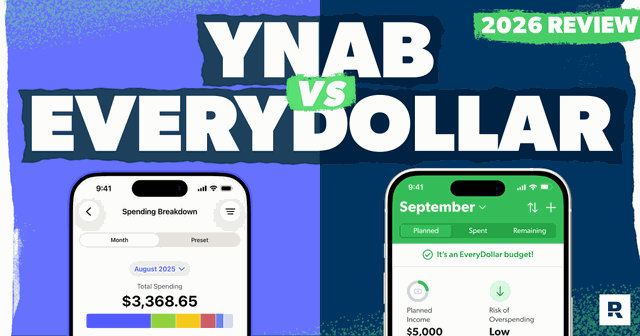
The biggest difference in the YNAB vs EveryDollar comparison is the way each platform approaches budgeting and financial planning.
YNAB places strong emphasis on budgeting the money you already have and adapting the plan as circumstances change. Its philosophy encourages users to think about their current cash position and assign those dollars to specific priorities.
EveryDollar focuses on creating a monthly zero-based budget in which expected income is allocated among spending and financial categories.
Both approaches can help users understand where their money is going, but the experience and budgeting philosophy are different.
YNAB tends to provide a more detailed budgeting environment, while EveryDollar can appeal to people who prefer a straightforward monthly budgeting process.
YNAB vs EveryDollar Features
Both budgeting apps provide tools for organizing personal finances, but the available features differ.
YNAB provides budgeting categories, spending tracking, financial goals, account management, reports, and tools designed around its budgeting methodology. Its system is intended to help users actively manage their available money rather than simply record transactions.
EveryDollar provides budgeting categories, expense tracking, monthly budget planning, and additional features depending on the user’s plan.
When comparing the two, it is important to look beyond the number of features. A budgeting app is most useful when its workflow is easy for you to maintain consistently.
How YNAB Budgeting Works
YNAB’s budgeting method begins with the money you currently have available. You assign those funds to categories based on your priorities and upcoming expenses.
For example, you might allocate money toward rent, groceries, transportation, utilities, savings, and debt payments. As you spend money, the corresponding categories are updated.
If you spend more than planned in one category, YNAB’s approach encourages you to adjust the budget rather than ignoring the difference. You can move money from another category to cover the overspending.
This process makes the budget flexible while keeping your overall spending plan visible.
How EveryDollar Budgeting Works
EveryDollar uses a zero-based monthly budgeting approach. You begin by estimating your monthly income and then assign that income to categories such as housing, food, transportation, insurance, savings, debt payments, and entertainment.
The goal is to allocate all expected income so that the planned amount remaining is zero.
As expenses occur throughout the month, you record them in the appropriate categories. This allows you to compare your planned spending with your actual spending.
The approach is relatively easy to understand because it focuses on creating a monthly spending plan before money is spent.
YNAB vs EveryDollar for Beginners
For beginners, the choice may depend on how much structure and guidance they want.
EveryDollar can be appealing to someone who wants a simple monthly budget with familiar categories and a straightforward zero-based approach. Users who already understand the basic concept of assigning income to expenses may find the system easy to follow.
YNAB can require more adjustment because its budgeting philosophy is more distinct. New users may need time to understand concepts such as assigning available money, managing category balances, and adjusting the budget as spending changes.
However, users who want a more detailed system for actively managing their money may appreciate this approach once they become familiar with it.
YNAB vs EveryDollar for Couples
Both platforms can potentially be used by couples who want to manage household finances together.
A shared budgeting system can help couples see income, expenses, savings goals, and financial priorities in one place. The important consideration is whether both people understand and consistently use the same budgeting method.
YNAB can provide a detailed view of category balances and financial priorities, which may be useful for households with multiple goals and irregular expenses.
EveryDollar may appeal to couples who prefer a monthly budgeting structure and want to keep the process relatively simple.
The best choice depends on the household’s financial complexity and the budgeting workflow both partners are willing to maintain.
YNAB vs EveryDollar for Saving Money
Both apps can support savings by allowing users to create categories or budget lines for specific financial goals.
For example, you could create a savings category for an emergency fund, vacation, annual insurance payment, car maintenance, or another future expense.
YNAB’s system is particularly focused on planning for expenses that may not occur every month. Setting aside money gradually can make irregular expenses easier to handle when they eventually arrive.
EveryDollar can also be used to include savings as part of a monthly zero-based budget.
The important factor is consistency. A budgeting app cannot automatically create financial progress unless the user regularly follows the plan and makes appropriate adjustments.
YNAB vs EveryDollar for Debt Payoff
Budgeting can be useful for people who are working toward paying off debt because it helps identify how much money is available for debt payments after essential expenses.
EveryDollar can include debt payments as part of a monthly budget. This can help users make debt payments a planned part of their monthly finances.
YNAB can similarly allocate money toward debt payments while allowing users to monitor spending across other categories.
Neither budgeting app eliminates debt by itself. The primary benefit is organization: users can see their available money, control discretionary spending, and intentionally direct funds toward financial priorities.
YNAB vs EveryDollar Pricing
Pricing is an important consideration when comparing budgeting apps. The prices and available features can change over time, so users should check the official websites for the latest subscription information before making a decision.
YNAB operates primarily as a paid budgeting service, while EveryDollar has historically offered both free and paid options with differences in available features.
The most important comparison is not simply the subscription price. Consider how often you will use the app, which features you need, and whether the budgeting system helps you manage your money effectively.
A paid budgeting app may provide value if its tools help you consistently maintain a budget and make better-informed spending decisions.
YNAB vs EveryDollar Bank Sync
Bank synchronization can make expense tracking easier because transactions may be imported from connected financial accounts rather than entered manually.
YNAB offers account connection functionality, while EveryDollar also provides account-related features depending on the user’s plan and supported financial institutions.
Bank synchronization can save time, but users should still review imported transactions regularly. Automatic transaction imports can occasionally require categorization or correction.
If bank connectivity is important to you, check whether your financial institutions are currently supported before subscribing.
YNAB vs EveryDollar for Tracking Expenses
Expense tracking is an important part of any budgeting system because it shows whether your actual spending matches your plan.
YNAB integrates expense tracking directly with its category-based budgeting system. When you record a transaction, the relevant category balance changes.
EveryDollar also allows users to record expenses against their planned budget categories.
The difference is primarily in how each platform integrates expense tracking with its broader budgeting philosophy.
If you want a highly interactive system where spending and category balances are continuously connected, YNAB may feel different from a simpler monthly budgeting workflow.
YNAB vs EveryDollar for Irregular Expenses
Irregular expenses are costs that do not occur every month but can still have a major impact on your finances. Examples include annual insurance premiums, holiday spending, car repairs, property taxes, and periodic subscriptions.
A budgeting system can help you prepare for these expenses by setting aside money before the bill arrives.
YNAB places significant emphasis on planning for future expenses and setting money aside for upcoming obligations.
EveryDollar can also accommodate irregular expenses by including them in the monthly budget and planning for them ahead of time.
Regardless of which platform you use, recognizing these expenses before they occur can make your budget more realistic.
YNAB vs EveryDollar: Pros and Cons
YNAB’s strengths include its detailed budgeting philosophy, flexible category management, goal-oriented approach, and emphasis on actively managing available money. It can be particularly useful for people who want a structured system rather than simply recording expenses.
One potential drawback is that the system can take time to learn. Users who prefer a very simple monthly budget may initially find the methodology more involved than expected.
EveryDollar’s strengths include its straightforward zero-based budgeting approach and familiar monthly budget structure. It may be easier for users who want to create a spending plan without learning a more complex budgeting methodology.
Its limitations depend on the features available under the user’s plan and whether the monthly budgeting workflow provides enough detail for their financial situation.
Which Is Better: YNAB or EveryDollar?
There is no single answer that applies to every user because the two apps are designed around different budgeting experiences.
YNAB may be suitable for people who want a detailed, active budgeting system focused on assigning available money, preparing for future expenses, and adjusting categories as circumstances change.
EveryDollar may suit users who prefer a traditional monthly zero-based budget and want a relatively straightforward way to plan income and expenses.
Before choosing between them, consider how complicated your finances are, whether you need bank synchronization, how much detail you want in your budget, whether you prefer monthly planning, and whether you are willing to pay for additional features.
YNAB vs EveryDollar: Which One Should You Choose?
The decision ultimately depends on your budgeting habits and financial goals. Someone who enjoys detailed category management and wants to actively manage available money may prefer YNAB’s approach.
Someone who wants a simple monthly zero-based budget may prefer EveryDollar’s structure.
It can also be useful to try the available options before committing to a long-term subscription. The most effective budgeting app is generally the one you can understand, use consistently, and maintain over time.
Both platforms can help you organize spending, plan for financial goals, and gain a clearer view of your money. Your personal financial situation and preferred budgeting style should guide your decision.
Frequently Asked Questions About YNAB vs EveryDollar
What is the main difference between YNAB and EveryDollar?
YNAB and EveryDollar both use zero-based budgeting concepts, but they organize the budgeting process differently. YNAB emphasizes assigning money that is currently available and actively adjusting categories, while EveryDollar focuses on creating a monthly plan that allocates expected income across budget categories.
Is YNAB better for detailed budgeting?
YNAB provides a detailed category-based budgeting system and tools designed for active money management. Whether that makes it more suitable depends on how much detail you want in your personal budget.
Is EveryDollar easier to use than YNAB?
EveryDollar may feel more straightforward to people who prefer a traditional monthly zero-based budget. YNAB has its own methodology, so new users may need some time to become familiar with its approach.
Can YNAB and EveryDollar track expenses?
Yes. Both platforms provide expense-tracking functionality, although the way transactions interact with the overall budgeting system differs.
Can I use YNAB or EveryDollar for debt payoff?
Both apps can be used to include debt payments in a budget. They can help you organize your income and expenses so that debt payments become part of your planned financial priorities.
Which budgeting app is best for couples?
Both can be used for household budgeting. The more important consideration is whether both people can agree on the budgeting method and consistently use the same system.
Final Thoughts
The YNAB vs EveryDollar comparison comes down to budgeting philosophy, features, financial complexity, and personal preference.
YNAB provides a detailed approach centered on assigning available money to specific priorities and adjusting the budget as spending changes. EveryDollar provides a monthly zero-based budgeting approach that can be straightforward for users who want to plan their income and expenses by category.
Neither platform can guarantee financial success. A budgeting app is a tool, and its effectiveness depends largely on how consistently you use it and how well the system fits your financial circumstances.
Before choosing a subscription, review the current features, pricing, account-connection options, and terms on each provider’s official website. Then choose the system that fits your preferred way of managing your money.
Disclaimer: This article is for informational and educational purposes only and does not constitute financial advice. Personal financial circumstances vary, and you should consider your own situation before making financial decisions.