Managing money is an important life skill, but many people enter adulthood without understanding how to create a budget, manage debt, build savings, or make informed financial decisions. These skills influence everyday life, from paying monthly bills and using credit cards to purchasing a home and preparing for retirement. A personal finance class helps students and individuals understand these responsibilities and develop habits that support long-term financial stability.
Personal finance education focuses on how people earn, spend, save, borrow, and invest money. It explains important financial concepts in practical ways so learners can apply them to real-life situations. Whether someone is preparing for their first job, planning for college, managing a household, or working toward financial independence, learning personal finance can make everyday decisions easier.
A well-designed personal finance class introduces essential topics such as budgeting, banking, credit scores, taxes, insurance, investing, and retirement planning. It also helps students recognize financial risks and understand how small decisions can influence their future financial situation.
What Is a Personal Finance Class?
A personal finance class is an educational course that teaches individuals how to manage their money effectively. It covers financial responsibilities that people commonly experience throughout their lives and explains how to make informed decisions about income, expenses, savings, borrowing, and investments.
These classes are available in high schools, colleges, community education programs, online learning platforms, and professional development programs. Some courses are designed for teenagers who are preparing for adulthood, while others help adults improve their financial knowledge.
The main purpose is to develop financial literacy, which means understanding financial concepts and using that knowledge to make responsible decisions.
A typical personal finance class may include:
- Creating and maintaining a monthly budget.
- Understanding checking and savings accounts.
- Managing credit cards and credit scores.
- Learning how loans and interest work.
- Understanding taxes and income.
- Building an emergency fund.
- Comparing insurance options.
- Exploring investment opportunities.
- Planning for retirement.
- Setting short-term and long-term financial goals.
Students often work through practical exercises, financial examples, and budgeting activities to understand how these concepts apply outside the classroom.
Why Is Taking a Personal Finance Class Important?
Financial decisions affect almost every stage of life. Without basic financial knowledge, people may struggle with unnecessary debt, missed payments, insufficient savings, and poor spending habits.
A personal finance class provides a foundation for understanding these challenges and making better choices.
Develop Better Money Management Skills: Students learn how to track income, monitor expenses, and create realistic spending plans. These skills help individuals understand where their money goes and identify opportunities to save.
Avoid Unnecessary Debt: Borrowing money can be useful for education, housing, transportation, and other major expenses. However, misunderstanding interest rates and repayment terms can lead to financial difficulties. Personal finance education explains how borrowing works and how to manage debt responsibly.
Build Financial Confidence: Understanding banking, credit, taxes, and investments can make financial decisions less confusing. Students become more comfortable comparing financial products and evaluating their costs.
Prepare for Unexpected Expenses: Emergencies such as medical bills, vehicle repairs, or temporary income loss can affect financial stability. Learning about emergency funds and savings strategies helps individuals prepare for unexpected situations.
Develop Long-Term Financial Goals: Personal finance education encourages people to plan beyond their immediate expenses. Students learn how to save for education, purchase a home, invest for the future, and prepare for retirement.
What Do You Learn in a Personal Finance Class?
The exact curriculum depends on the school or educational provider, but most personal finance courses cover several important financial topics.
1. Budgeting and Money Management
Budgeting is one of the most important subjects in personal finance. It involves creating a plan for how income will be used to cover expenses, savings, and financial goals.
Students learn how to calculate monthly income, identify fixed and variable expenses, and understand the difference between needs and wants.
For example, rent, utility bills, and insurance are generally regular expenses, while entertainment, dining out, and shopping may vary each month.
A common budgeting approach is the 50/30/20 rule:
| Budget Category | Suggested Percentage | Examples |
| Needs | 50% | Housing, groceries, utilities |
| Wants | 30% | Entertainment, hobbies, dining |
| Savings and debt repayment | 20% | Emergency funds, investments, debt |
These percentages are general guidelines rather than strict requirements. People can adjust their budgets according to their income, responsibilities, and financial priorities.
2. Banking and Financial Accounts
A personal finance class explains how banks and financial institutions help people manage their money. Students learn about checking accounts, savings accounts, debit cards, electronic payments, and online banking.
They also explore banking fees, minimum balance requirements, interest rates, and account security.
Understanding these services helps individuals select appropriate accounts and avoid unnecessary charges. Students may also learn how to recognize suspicious transactions, protect account information, and use secure banking practices.
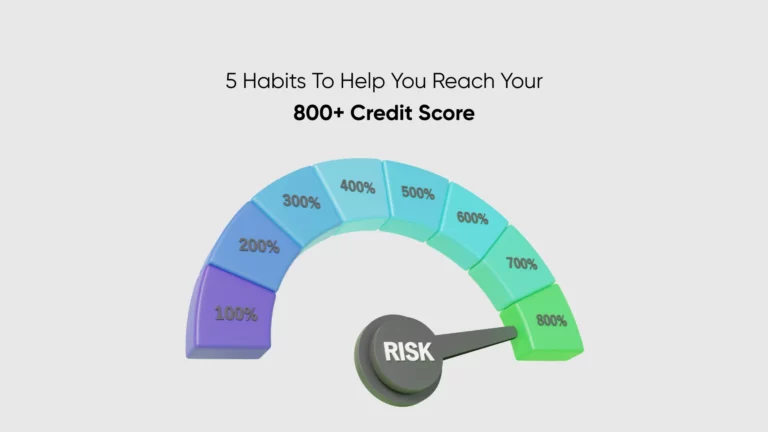
3. Credit Scores and Credit Reports
Credit scores are important in the United States because lenders may use them when evaluating applications for credit cards, auto loans, mortgages, and other borrowing products.
A personal finance class explains how credit scores work, what information appears on credit reports, and why payment history matters.
Students learn about several important credit concepts:
- Payment history and on-time payments.
- Credit utilization and outstanding balances.
- Length of credit history.
- New credit applications and inquiries.
- Credit mix and different account types.
They also learn how to review credit reports, identify inaccurate information, and develop responsible borrowing habits.
4. Saving Money and Emergency Funds
Saving is an essential part of financial planning. A personal finance class explains why individuals should set aside money for short-term needs and unexpected situations.
Students learn how to establish savings goals, compare savings account options, and understand the effect of interest over time.
An emergency fund can help cover unexpected costs without relying entirely on credit cards or personal loans. Many financial educators recommend gradually building enough savings to cover several months of essential expenses, although the appropriate amount depends on individual circumstances.
5. Loans, Interest Rates, and Debt Management
Borrowing money is a common financial activity, but different loans have different costs and conditions.
Students learn about personal loans, student loans, auto loans, mortgages, and credit card balances. They explore interest rates, repayment periods, monthly payments, and the total cost of borrowing.
For example, a loan with a lower monthly payment may cost more overall if it has a longer repayment period. Understanding this relationship helps borrowers compare financial options before accepting an offer.
6. Taxes and Income
Taxes are another important topic covered in personal finance classes. Students learn why governments collect taxes and how income taxes can affect take-home pay.
In the United States, lessons may cover federal income tax, state income tax, payroll taxes, tax withholding, and basic tax returns.
Students may also learn the difference between gross income and net income. Gross income refers to earnings before deductions, while net income is the amount remaining after applicable deductions and withholding.
This knowledge helps individuals understand their paychecks and plan realistic monthly budgets.
7. Insurance and Financial Protection
Insurance helps protect individuals and families against certain financial losses. A personal finance course introduces different types of insurance and explains how premiums, deductibles, and coverage limits work.
Common categories include health insurance, auto insurance, homeowners insurance, renters insurance, and life insurance.
Students learn why insurance decisions should be based on personal circumstances, financial responsibilities, and potential risks.
8. Investing and Wealth Building
Investing involves putting money into assets with the goal of generating returns over time. Personal finance classes introduce investment concepts and explain the relationship between risk, return, and time.
Students may explore stocks, bonds, mutual funds, exchange-traded funds, and retirement investment accounts.
They also learn about diversification, compound growth, market fluctuations, and the importance of considering investment costs.
The objective is not to encourage students to make immediate investments but to help them understand how long-term wealth-building strategies work.
9. Retirement Planning
Retirement planning focuses on preparing financially for the period when someone stops working or reduces their employment income.
In the United States, students may learn about employer-sponsored retirement plans such as 401(k) accounts, individual retirement accounts, and Social Security.
They explore how regular contributions, employer matching, investment growth, and time can influence retirement savings.
Learning about retirement early can help individuals recognize the value of starting to save before major financial responsibilities increase.
Who Should Take a Personal Finance Class?
Personal finance education can benefit people at different stages of life. The subjects are relevant whether someone is preparing for their first paycheck or managing an established household.
High School Students: Teenagers can learn how to manage their first earnings, open bank accounts, understand credit, and prepare for financial independence. These lessons can help them avoid common financial mistakes after graduation.
College Students: College students often manage tuition, housing expenses, student loans, part-time income, and daily spending. A personal finance class can help them create budgets and understand borrowing responsibilities.
Young Professionals: People beginning their careers can benefit from learning about taxes, workplace benefits, emergency savings, credit cards, and retirement accounts.
Working Adults: Adults can use financial education to improve budgeting habits, reduce debt, compare financial products, and develop savings strategies.
Families and Parents: Household financial planning involves managing income, education costs, insurance, housing, and long-term goals. Personal finance knowledge can help families make more organized financial decisions.
What Are the Benefits of Online Personal Finance Classes?
Online personal finance classes provide an accessible way to learn financial concepts without attending a traditional classroom. Many programs allow students to study at their own pace and revisit lessons whenever necessary.
Flexible Learning: Online courses allow learners to study around school, work, and family responsibilities.
Practical Examples: Many courses use budgeting exercises, financial calculators, and everyday scenarios to explain complicated topics.
Affordable Education: Some online personal finance courses are available free of charge, while others require a payment or subscription.
Self-Paced Study: Students can spend additional time on difficult subjects such as credit scores, taxes, and investment planning.
Access to Learning Resources: Online programs may include videos, worksheets, quizzes, reading materials, and interactive activities.
Before selecting a course, check its curriculum, instructor qualifications, learning format, and whether it provides a certificate or academic credit.
How to Choose the Right Personal Finance Class
Choosing a suitable personal finance class depends on your current knowledge, learning goals, and available time.
Check the Course Curriculum: Look for a program that covers budgeting, saving, banking, credit, debt, taxes, insurance, investing, and retirement planning.
Consider Your Experience Level: Beginners may benefit from introductory lessons, while learners with existing financial knowledge may prefer more advanced topics.
Compare Online and Classroom Options: Traditional classes offer direct interaction with instructors, while online programs provide greater scheduling flexibility.
Review the Instructor’s Background: Choose educational resources created by qualified educators or reputable financial institutions.
Look for Practical Exercises: Budget worksheets, credit examples, savings calculations, and case studies can make financial lessons easier to understand.
Understand Certification Details: Some courses offer completion certificates, while others provide school credit or recognized credentials. Confirm what a certificate actually represents before enrolling.
Where Can You Find Personal Finance Classes?
Several educational organizations and online platforms provide personal finance learning opportunities.
- Next Gen Personal Finance: Provides financial education resources, classroom materials, and interactive activities for students and educators.
- Khan Academy: Offers free educational lessons covering economics and financial topics.
- FDIC Money Smart: Provides financial education resources designed to improve money management knowledge.
- Consumer Financial Protection Bureau: Offers educational tools and resources covering credit, borrowing, budgeting, and consumer financial decisions.
- Local Community Colleges: Many institutions offer introductory finance and money management courses.
Students should compare course content and eligibility requirements to find a program that matches their educational needs.
Conclusion
A personal finance class provides practical knowledge that can help people manage money more responsibly throughout their lives. By learning about budgeting, banking, credit scores, borrowing, taxes, insurance, investing, and retirement planning, students develop skills that support informed financial decisions. These lessons are valuable for high school students, college learners, young professionals, and adults who want to improve their financial habits. Whether taken online or in a traditional classroom, personal finance education can build confidence, encourage better money management, and create a stronger foundation for long-term financial stability.
FAQs
1. What is taught in a personal finance class?
A personal finance class teaches budgeting, saving, banking, credit scores, loans, interest rates, taxes, insurance, investing, and retirement planning. Students learn how to apply these concepts to everyday financial decisions.
2. Is a personal finance class difficult?
Most introductory personal finance classes are designed for beginners. They explain everyday financial concepts through practical examples, budgeting exercises, and simple calculations. Some advanced topics may require additional study.
3. Can I take a personal finance class online for free?
Yes. Several organizations, including Khan Academy, Next Gen Personal Finance, FDIC Money Smart, and the Consumer Financial Protection Bureau, offer free financial education resources.
4. Why should high school students learn personal finance?
High school students benefit from understanding how to manage their first earnings, use bank accounts, build savings, understand credit, and prepare for future expenses. These skills can help them make better financial decisions as adults.
5. Does a personal finance class provide a certificate?
Some personal finance courses provide certificates of completion, while others offer academic credit or other credentials. The benefits depend on the educational provider and course requirements.

1 Comment
[…] Read More: Personal Finance Class: Learn How to Manage Money and Build a Strong Financial Future […]