
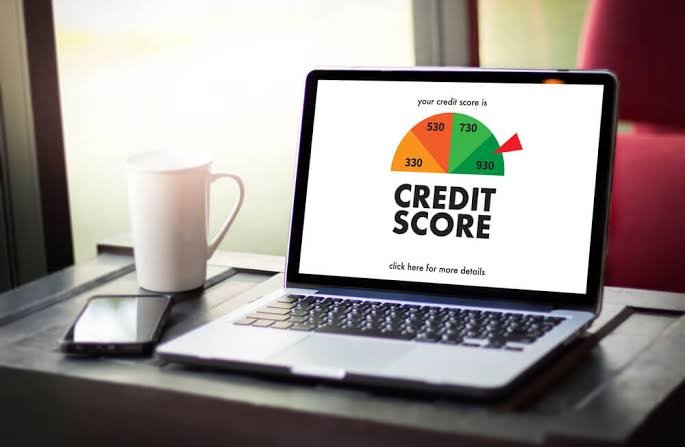
Opening a checking account is one of the first steps many people take when managing their personal finances. It provides a convenient place to deposit income, pay bills, transfer money, and manage everyday expenses. However, people who are trying to build or protect their credit history often wonder whether opening a new bank account could change their credit score.
So, does opening a checking account affect credit score? Generally, no. Opening a standard checking account does not directly increase or decrease your credit score because checking accounts are not traditional credit accounts. Banks typically use identity verification systems and specialized banking reports rather than a hard credit inquiry when reviewing checking account applications. However, certain banking activities, such as applying for overdraft credit or allowing unpaid negative balances to become collection accounts, may indirectly affect your credit history.
Understanding how checking accounts work and how banks evaluate applicants can help you open an account without unnecessary concerns about your credit score.
Understanding What a Checking Account Is
A checking account is a deposit account offered by banks and credit unions. It allows customers to keep money available for regular financial transactions.
Unlike a credit card or personal loan, a checking account does not involve borrowing money from a lender. You generally deposit your own funds and use them for purchases, withdrawals, bill payments, and transfers.
Common checking account features include:
- Direct deposits from employers.
- Debit card purchases.
- ATM withdrawals.
- Online bill payments.
- Electronic money transfers.
- Mobile banking access.
- Check writing.
- Automatic payments.
Because a standard checking account does not involve borrowing, its opening activity is generally not reported as a credit account to the major credit bureaus.
Does Opening a Checking Account Affect Credit Score?
Opening a regular checking account usually has no direct effect on your credit score. Banks generally do not report ordinary checking account openings, deposits, withdrawals, or account balances to Equifax, Experian, and TransUnion as traditional credit activity.
When you apply for a checking account, the bank may verify your identity and review your banking history. It may use a consumer reporting agency such as ChexSystems or Early Warning Services to understand how you have managed previous deposit accounts.
These reports are different from traditional credit reports.
For example, if you open a checking account and deposit your paycheck every two weeks, those transactions will not automatically improve your FICO score. Similarly, withdrawing money or paying regular bills from the account will not normally lower your credit score.
The main exception involves additional financial products connected to your checking account, such as overdraft lines of credit or other borrowing arrangements.
Does a Bank Run a Hard Credit Check When You Open a Checking Account?
In most cases, opening a standard checking account does not require a hard credit inquiry. Banks generally focus on identity verification and banking history rather than evaluating your traditional credit score.
However, the exact process depends on the financial institution and the type of account you are requesting.
Identity Verification
Banks must verify the identity of customers before opening accounts. They may request your name, address, date of birth, Social Security number or other permitted identification information.
This process helps financial institutions comply with customer identification and anti-fraud requirements. Identity verification does not automatically mean a hard credit inquiry has occurred.
Banking History Review
Some banks review your previous banking activity through ChexSystems or Early Warning Services. These agencies collect information related to deposit accounts, including certain unpaid balances, suspected fraud, and account closures.
A bank may use this information to decide whether to approve your checking account application.
Traditional Credit Check
A standard checking account application generally does not require a hard inquiry from the major credit bureaus. However, a bank may review credit information if you request an additional credit-based service.
Always review the account application disclosures if you are concerned about whether the bank will perform a credit check.
Checking Account vs. Credit Account: What Is the Difference?
Checking accounts and credit accounts serve different financial purposes. Understanding their differences explains why opening a checking account generally does not change your credit score.
| Feature | Checking Account | Credit Account |
| Main purpose | Managing deposited money | Borrowing money |
| Uses borrowed funds | Usually no | Yes |
| Reports regular activity to credit bureaus | Generally no | Often yes |
| Can build credit history | Not directly | Yes, with responsible use |
| Hard inquiry required | Usually no | May be required |
| Interest charges | Usually none on spending | May apply to outstanding balances |
A checking account helps you manage everyday finances, while a credit account creates a borrowing relationship that may be included in your credit report.
What Is ChexSystems and How Does It Affect Checking Account Applications?
ChexSystems is a consumer reporting agency that provides information about banking history. Many financial institutions use its reports when reviewing applications for checking and savings accounts.
ChexSystems is not one of the three major credit bureaus, and its reports do not calculate traditional FICO credit scores.
Information that may appear in a ChexSystems report includes:
- Unpaid negative balances.
- Accounts closed because of unresolved problems.
- Certain suspected fraudulent activities.
- Reported misuse of deposit accounts.
- Other account-related information supplied by participating financial institutions.
A negative ChexSystems report may make it harder to open a new checking account at some banks. However, it does not automatically mean your traditional credit score will decrease.
Consumers can request a copy of their ChexSystems report and dispute information they believe is inaccurate.
Can a Checking Account Lower Your Credit Score?
Opening a standard checking account does not normally lower your credit score. However, certain activities associated with the account can create financial problems that may eventually affect your credit.
Unpaid Overdraft Balances
An overdraft happens when a transaction exceeds the available balance in your checking account and the bank pays it or allows the account to go negative.
If you fail to repay the negative balance, the bank may close the account and send the unpaid amount to a collection agency. If that collection account is reported to a credit bureau, it may negatively affect your credit score.
Not every overdraft is reported to the major credit bureaus, so the outcome depends on the bank’s policies and how the debt is handled.
Overdraft Credit Lines
Some banks offer overdraft protection through a linked line of credit. Unlike ordinary overdraft coverage, this arrangement may involve borrowing money.
If the bank performs a hard credit inquiry when you apply for the credit line, the inquiry could temporarily lower your score. Once approved, the credit line may also be reported as a credit account, depending on the lender’s reporting practices.
Unpaid Fees and Collections
If you leave an account with unpaid fees or a negative balance, the bank may attempt to collect the money. If the debt is transferred or sold to a collection agency and reported to the credit bureaus, it could affect your credit history.
The best approach is to monitor your account balance, understand overdraft policies, and resolve unpaid amounts promptly.
Can Opening a Checking Account Improve Your Credit Score?
A regular checking account does not directly improve your credit score because normal checking account activity is generally not reported to traditional credit bureaus.
Depositing money, receiving direct deposits, paying utility bills, and using a debit card are useful financial habits, but they do not normally create a credit history.
However, having a checking account can indirectly support better credit management.
Making Payments on Time
You can use your checking account to schedule automatic payments for credit cards, student loans, personal loans, and other credit obligations. Consistently paying these accounts on time can help protect your credit history.
Avoiding Missed Payments
Keeping enough money in your checking account for scheduled payments can reduce the risk of late payments. Payment history is an important factor in many credit scoring models.
Managing Monthly Expenses
A checking account makes it easier to track spending, organize bills, and maintain a budget. Better financial organization can help you avoid excessive borrowing and missed payments.
Although these benefits do not directly increase your score, they can support habits that contribute to a stronger credit profile.
How to Build Credit Without Depending on a Checking Account
If your goal is to improve your credit score, opening a checking account alone will not be enough. You need financial products and responsible payment activity that can be reported to the credit bureaus.
Consider these options:
1. Apply for a Secured Credit Card
A secured credit card requires a refundable security deposit that generally determines your credit limit. When the issuer reports your account activity to the major credit bureaus, responsible use may help establish or improve your credit history.
2. Consider a Credit-Builder Loan
A credit-builder loan is designed to help people establish credit. Payments are generally reported to credit bureaus, and the funds are made available according to the lender’s loan structure.
3. Pay Existing Credit Accounts on Time
If you already have credit cards or loans, make every payment by its due date. A consistent payment record can help strengthen your credit profile.
4. Keep Credit Utilization Low
Credit utilization measures how much of your available revolving credit you are using. Keeping balances relatively low compared with your limits can support a healthy credit score.
5. Review Your Credit Reports
Check your credit reports from Equifax, Experian, and TransUnion for inaccurate information, unfamiliar accounts, and reporting errors. In the United States, AnnualCreditReport.com is the federally authorized website for requesting free credit reports.
What Should You Consider Before Opening a Checking Account?
Although a standard checking account generally does not affect your credit score, comparing account features can help you choose a suitable banking option.
Monthly Maintenance Fees: Some banks charge monthly fees unless you maintain a minimum balance or meet qualifying activity requirements. Look for accounts with affordable or avoidable fees.
Minimum Opening Deposit: Certain banks require an initial deposit to activate an account. Check the requirement before applying.
Overdraft Policies: Understand how the bank handles transactions that exceed your available balance. Review overdraft fees, optional protection services, and repayment requirements.
ATM Access: Choose an account with convenient access to ATMs, especially if you frequently withdraw cash.
Online and Mobile Banking: A reliable mobile app can help you monitor transactions, transfer funds, deposit checks, and receive account alerts.
Customer Support: Accessible customer service can be helpful when you experience payment issues, suspicious transactions, or account restrictions.
Conclusion
Opening a standard checking account generally does not affect your credit score because it is a deposit account rather than a borrowing product. Banks usually review identity information and banking history instead of performing a hard credit inquiry through the major credit bureaus. However, unpaid overdrafts, unresolved negative balances, and credit-based overdraft protection may create situations that affect your credit history. A checking account can still support healthy financial habits by helping you manage bills, organize expenses, and make loan payments on time. Before opening an account, review its fees, overdraft policies, and eligibility requirements.
Frequently Asked Questions
1. Does opening a checking account show up on your credit report?
A standard checking account generally does not appear as a traditional credit account on your Equifax, Experian, or TransUnion credit reports. Banks may maintain separate banking records through agencies such as ChexSystems.
2. Can opening a checking account lower your FICO score?
No, opening a regular checking account does not normally lower your FICO score. However, applying for an overdraft line of credit may involve a hard inquiry that could temporarily affect your score.
3. Do banks check your credit score when opening a checking account?
Most banks do not require a traditional hard credit check for a standard checking account. They may verify your identity and review your banking history through specialized consumer reporting agencies.
4. Does closing a checking account affect your credit score?
Closing a checking account in good standing generally does not affect your credit score. However, leaving unpaid negative balances or fees could eventually lead to a collection account that may be reported to credit bureaus.
5. Can a checking account help build credit?
A standard checking account does not directly build credit because regular deposits and withdrawals are not normally reported to credit bureaus. However, it can help you manage payments and avoid missed due dates on credit cards and loans.

1 Comment
[…] Read More: Does Opening a Checking Account Affect Your Credit Score? […]